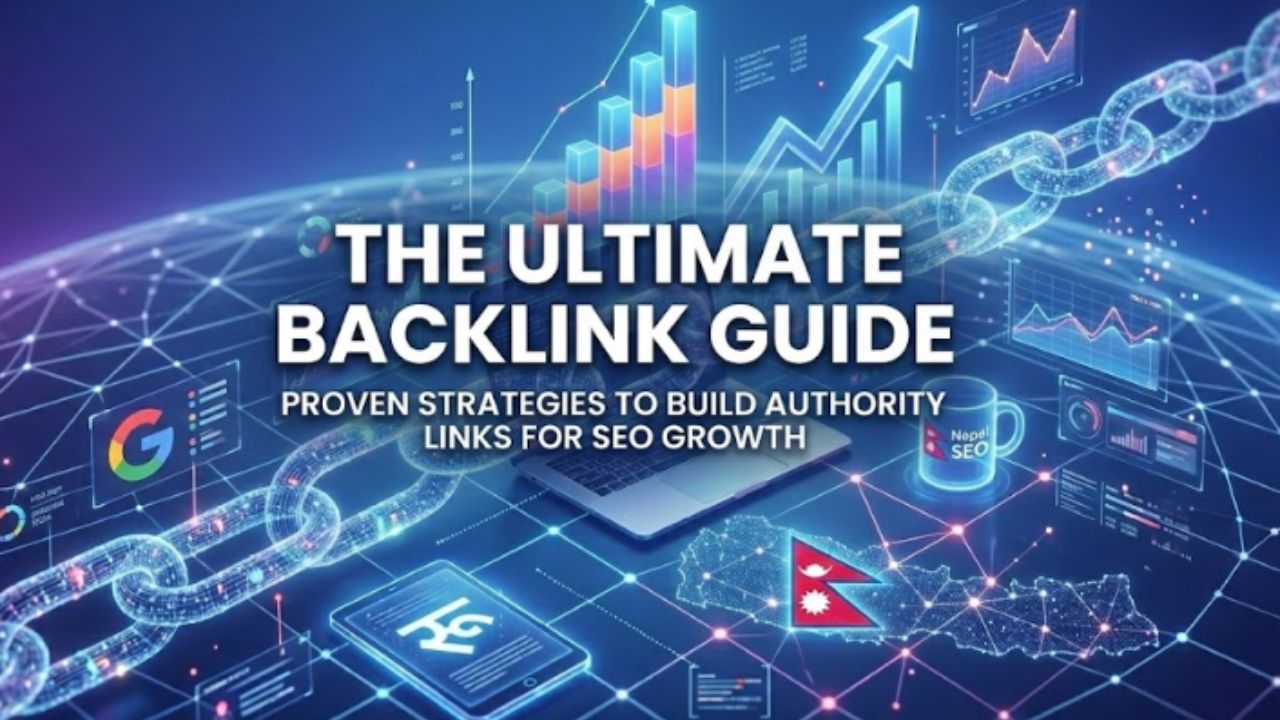
The Ultimate Backlink Guide to Building High-Quality Links for SEO Success
Backlinks remain one of the most powerful ranking signals in search engine optimization. Yet many website owners still misunderstand how backlinks work, which links help, and which ones harm.
Some chase quantity. Others fall for shortcuts. Both approaches often lead to penalties instead of progress.
This guide explains everything you need to know about backlinks , from understanding their value to building them safely for long-term SEO growth.
What Are Backlinks and Why Do They Matter for SEO?
Backlinks (also called inbound links) are links from other websites pointing to your site. While strong on-page SEO lays the foundation for optimized content, backlinks act as external signals that validate your credibility.
Search engines treat backlinks as votes of confidence. When trusted websites link to you, Google assumes your content is valuable and authoritative. Combined with a well-structured on-page SEO strategy, backlinks significantly strengthen your overall search performance.
Why backlinks matter:
- They help search engines discover your pages
- They increase domain authority
- They improve keyword rankings
- They drive referral traffic
If you’re looking to accelerate results, professional SEO services can help you implement proven link-building strategies safely and effectively.
In simple terms: strong backlinks build trust, visibility, and rankings.Especially when supported by solid on-page optimization and an expert SEO strategy.
How Google Evaluates Backlinks in 2026
Google no longer measures backlinks by volume alone. Instead, it evaluates quality, relevance, and intent.
Modern algorithms analyse:
Relevance
Links from related industries carry more weight than random sources.
Authority
Links from trusted domains pass stronger ranking signals.
Placement
Contextual links inside content outperform sidebar or footer links.
Natural Patterns
Google looks for organic anchor text and gradual link growth.
Artificial or manipulative links are easily detected.
Good Links vs Bad Links: Understanding the Difference
Not every backlink benefits your website.
Good backlinks:
- Come from relevant websites
- Are editorially placed
- Appear naturally in content
- Drive real traffic
Bad backlinks:
- Come from spammy domains
- Are paid or automated
- Use excessive exact-match anchors
- Exist only for SEO manipulation
Your success depends on collecting the first type and avoiding the second.
7 Types of Backlinks You Should Avoid at All Costs
Poor-quality links can seriously damage your rankings.
- Spam directories
- Paid link networks
- Comment spam links
- Irrelevant niche links
- Sitewide footer links
- Penalized domains
- Over-optimized anchor text links
These backlinks signal manipulation and can trigger algorithmic or manual penalties.
Characteristics of High-Quality Backlinks That Boost Rankings
A valuable backlink usually shares these traits:
Topical relevance
The linking site matches your industry.
Editorial context
The link appears naturally inside helpful content.
Domain trust
The website has real traffic and quality content.
Anchor diversity
Links use varied, natural anchor text.
User value
The link makes sense for readers, not just search engines.
Safe Backlink Strategies to Rank Faster Without Penalties
Ranking quickly doesn’t mean taking risks. It means using proven, ethical techniques.
Create link-worthy content
Publish in-depth guides, tutorials, case studies, or original research.
Personalized outreach
Reach out to site owners with genuine value propositions.
Guest posting (done right)
Write helpful articles for real websites, not spam networks.
Broken link building
Replace dead links with your relevant content.
Brand mention recovery
Turn unlinked mentions into backlinks.
These strategies focus on relationships, not shortcuts.
Proven White-Hat Link Building Techniques That Actually Work
White-hat SEO follows Google guidelines and builds authority naturally.
Digital PR
Pitch stories or insights to bloggers and journalists.
Resource page links
Get listed on curated niche resources.
Content partnerships
Collaborate with creators in your industry.
Internal linking
Strengthen pages by linking your own content strategically.
Consistency beats automation every time.
How to Build Natural Anchor Text Profiles
Anchor text tells Google what a page is about — but misuse can lead to penalties.
A healthy profile includes:
- Brand name anchors
- Naked URLs
- Generic phrases (“learn more”)
- Partial keyword matches
Avoid repeating the same keyword across multiple backlinks.
Natural variety keeps your profile safe.
How to Audit, Monitor, and Clean Your Backlink Profile
Backlink management is ongoing.
Regular audits
Use SEO tools to review new and existing links.
Identify toxic domains
Look for spam, irrelevant, or suspicious sources.
Disavow harmful links
Submit low-quality domains to Google’s Disavow Tool if necessary.
Monitoring protects your rankings before problems arise.
Long-Term Backlink Strategy for Sustainable SEO Growth
Successful SEO isn’t built in weeks — it’s built over months and years.
A sustainable backlink strategy focuses on:
- Content quality
- Audience value
- Brand authority
- Ethical outreach
- Continuous improvement
When you prioritize trust, rankings follow naturally.
Final Thoughts
Backlinks are not about gaming Google. They’re about earning credibility.
Shortcuts may deliver temporary spikes, but they often end in penalties. Real growth comes from creating value, building relationships, and staying consistent.
Remember:
One strong backlink is worth more than a hundred weak ones.
Choose quality, Choose patience, and Choose long-term success.