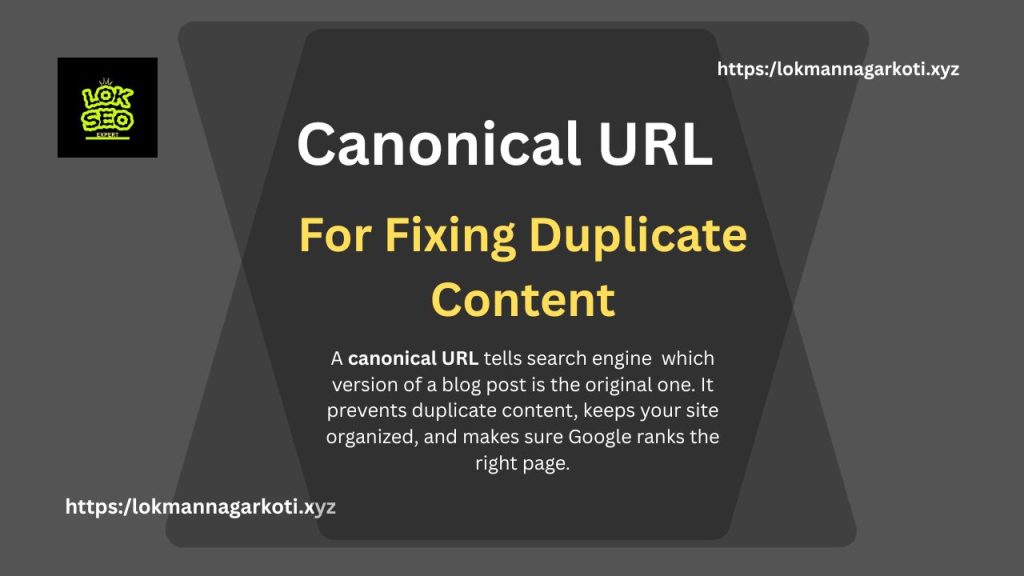
Duplicate content is one of the most common issues website owners face. If not fixed, it can harm your SEO, crawl budget, and user experience. The good news? It’s completely fixable. In this guide, you’ll learn what duplicate content is, how to find it, why it’s a problem, and six easy solutions to remove or prevent it.
What Is Duplicate Content?
Duplicate content refers to blocks of text, pages, or pieces of information that appear in more than one place on the internet—either on the same website or across different sites.
Search engines like Google want to show users the most relevant and unique results. When multiple pages contain the same or very similar content. Google may struggle to decide which version to rank, lowering visibility for all duplicates.
There are two types of duplicate content:
- Internal Duplicate Content
Content duplicated on the same website (e.g., URLs with and without “www,” multiple versions of a blog post).
2. External Duplicate Content
Content copied or syndicated across other websites.
How to Find Duplicate Content
You can identify duplicate content using these tools and techniques:
1. Google Search
Search for your content in quotes:
“Your paragraph here.”
If multiple URLs appear, you have duplicates.
2. Copyscape
A popular tool to check if your content exists elsewhere on the web.
3. Siteliner
Automatically scans your site for internal duplicate content issues.
4. Screaming Frog SEO Spider
Helps detect duplicate titles, meta descriptions, and body content.
5. Google Search Console
The Coverage and Page Indexing reports sometimes flag duplicates or canonical issues.
Major Issues Caused by Duplicate Content
Duplicate content may look harmless, but it can create several SEO problems:
1. Ranking Confusion
Google won’t know which page to rank, so all versions may lose visibility.
2. Wasted Crawl Budget
Search engines spend unnecessary time crawling duplicate pages, ignoring important ones.
3. Poor Link Equity
Backlinks get split across multiple versions instead of strengthening a single page.
4. Lower Organic Traffic
If Google chooses the wrong version (thin, outdated, or less optimized), you lose potential visitors.
5. Possible Scraper Issues
Other websites scraping your content may outrank your original version if your site is less authoritative.
Solutions to Fix Duplicate Content
Here are simple and effective ways to fix or prevent duplicate content problems:
1. Use Canonical Tags (Recommended)
A canonical tag (rel=”canonical”) tells Google which version of a page is the “main” one.
Best for:
- Multiple product pages
- Print-friendly versions
- URL parameters (UTM tags)
2. Set Up 301 Redirects
A 301 redirect sends users and search engines from the duplicate URL to the correct one.
Use it when:
- The duplicate version should not exist
- You merged or deleted old pages
- The page moved to a new location
3. Use Consistent URL Structures
Inconsistent URLs commonly create duplicates:
- HTTP vs HTTPS
- www vs non-www
- Trailing slash vs no trailing slash
- Parameter URLs (e.g., ?ref=, ?sort=)
Fix by:
- Choosing one preferred version
- Redirecting the rest
- Defining URL rules in your CMS and robots.txt
4. Avoid Publishing Thin or Repetitive Content
Even minor variations can create near-duplicate pages.
To fix this:
- Combine similar articles
- Expand thin content
- Write unique product descriptions
5. Improve Internal Linking and Navigation
Internal links help Google understand which page is more important.
Tips:
- Link to your preferred version
- Use meaningful anchor text
- Avoid linking to duplicate URLs
6. Block Low-Value Duplicate Pages Using Robots.txt
Some pages don’t need to be indexed, such as
- Search result pages
- Tag pages
- Filtered product pages
- Archives
Add Disallow: rules in robots.txt to stop Google from crawling them.
Final Thoughts
Duplicate content is a common but manageable SEO issue. By understanding the causes and using beginner-friendly tools and solutions. You can clean up your site, improve search rankings, and create a better experience for users.