
Digital Marketing: Key Components, Benefits, and Winning Strategies for Your Business
Digital marketing has become the heartbeat of every successful business. From online brand promotion to targeted digital advertising, businesses are leveraging the power of the internet to connect with audiences like never before. Whether you’re a startup or an established enterprise, a well-crafted digital marketing strategy can fuel online business growth and maximize the impact of your digital marketing campaigns.
Thank you for reading this post, don't forget to subscribe!The benefits of digital marketing are undeniable — measurable results, wider reach, cost-effectiveness, and the ability to engage customers in real time. For entrepreneurs and startups, digital marketing for small businesses offers an incredible opportunity to compete on a level playing field and turn clicks into loyal customers.
Right message,
Right audience,
Right time.
What is Digital Marketing?
Digital marketing is the practice of promoting products, services, or brands using digital channels and technologies. It allows companies to connect with the right audience at the right time, often with better results than traditional advertising. Unlike traditional marketing, which relies on offline methods like print ads, billboards, or TV commercials, digital marketing leverages the internet and electronic devices to reach and engage audiences.
Almost everything we do involves the internet — from shopping and learning to communicating and working. This shift has completely changed how businesses reach their customers.
Today, digital marketing is not just about promoting a product—it’s about building relationships, creating value, and engaging customers through personalized content. The growth of social media has made marketing more interactive, allowing brands to listen, respond, and connect directly with their audience like never before.
The Evolution of Digital Marketing
Marketing has come a long way from the days of newspaper ads and billboards. The rise of the internet, smartphones, and digital technology has completely transformed how businesses connect with their customers. As people began spending more time online—browsing websites, shopping, and engaging on social media—brands quickly realized the importance of having a strong digital presence.
The shift from offline to online marketing started with websites and email campaigns, but it truly accelerated with the growth of search engines like Google and social media platforms like Facebook, Instagram, and YouTube. These channels allowed businesses to reach global audiences instantly and interact with them in real time.
Key Evolution Data & Milestones
The first clickable online banner ad appeared in 1994, and it reportedly achieved a 44 % click‑through rate — a huge number compared to modern averages. colinosborne.com+2Wikipedia+2
By 2000, the platform Google Ads (formerly AdWords) was created, with only about 350 advertisers to begin with. By 2015 it had grown to over 4 million advertisers. DBS Digital+1
By 2018, there were approximately 4 billion internet users worldwide, about 3.2 billion social media users, and about 5.14 billion mobile phone users. UWA Online
In the global advertising industry, digital advertising is projected to account for about 73 % of total ad revenue by 2025, as traditional channels decline. Financial Times
In 2024, the global advertising industry as a whole was projected to exceed US$1 trillion in revenue. Financial Times
Benefits of Digital Marketing
One of the biggest advantages of digital marketing is its global reach. Businesses of any size can connect with potential customers from around the world with just a few clicks. Unlike traditional methods, there are no geographical limits—your brand can reach audiences across countries and time zones instantly.
Another major benefit is cost-effectiveness. Online marketing campaigns are often far more affordable than print or TV ads, making them ideal for startups and small businesses. Plus, every campaign can be measured in real time. Tools like Google Analytics and social media insights allow marketers to track performance, understand customer behavior, and make smarter decisions.
Digital marketing also offers personalized targeting and engagement. Brands can create ads tailored to specific audiences based on their interests, age, or location. This means better engagement, higher conversion rates, and stronger customer relationships.
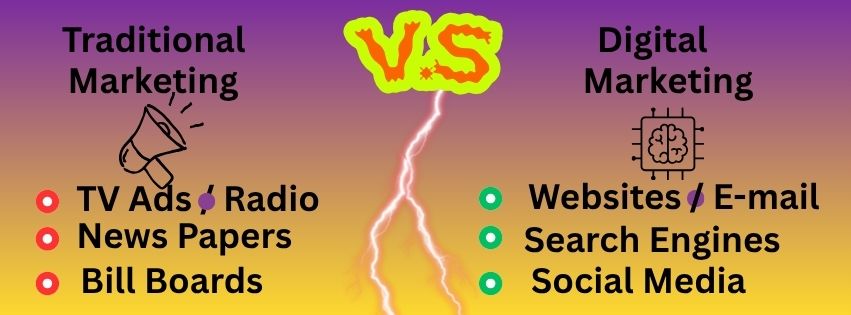
Digital Marketing vs. Traditional Marketing
Digital marketing and traditional marketing share the same goal — to promote a brand and reach potential customers — but they do it in very different ways. Traditional marketing uses offline methods such as TV ads, newspapers, radio, and billboards to reach a broad audience. While these channels can be effective for brand awareness, they are often expensive and harder to measure.
On the other hand, digital marketing uses online platforms like social media, search engines, websites, and email to connect with customers directly. It allows businesses to target specific audiences, track real-time results, and adjust strategies instantly. Digital marketing is also more cost-effective and provides measurable insights, making it ideal for both small and large businesses.
In today’s fast-paced digital world, combining both strategies can offer the best results — using the wide reach of traditional marketing and the precision of digital marketing to build a strong, balanced brand presence.
Digital marketing is the practice of promoting products, services, or brands using digital channels and technologies. It allows companies to connect with the right audience at the right time, often with better results than traditional advertising. Unlike traditional marketing, which relies on offline methods like print ads, billboards, or TV commercials, digital marketing leverages the internet and electronic devices to reach and engage audiences.
Almost everything we do involves the internet — from shopping and learning to communicating and working. This shift has completely changed how businesses reach their customers.
Today, digital marketing is not just about promoting a product—it’s about building relationships, creating value, and engaging customers through personalized content. The growth of social media has made marketing more interactive, allowing brands to listen, respond, and connect directly with their audience like never before.
Core Components of Digital Marketing
Digital marketing is made up of several powerful components that work together to build a strong online presence and attract the right audience. Here are the key areas every business should focus on:
1. Search Engine Optimization (SEO)
SEO is all about improving your website’s visibility on search engines like Google. It helps your content appear higher in search results, attracting more organic traffic.
There are three main types of SEO:
On-page SEO: Optimizing website content, titles, and keywords.
Off-page SEO: Building backlinks and improving domain authority.
Technical SEO: Enhancing site speed, mobile responsiveness, and overall performance.
2. Content Marketing
Content marketing focuses on creating valuable and relevant content to attract and engage your target audience. This can include blogs, videos, infographics, eBooks, and podcasts. High-quality content not only builds trust but also drives consistent traffic to your website and improves SEO.
3. Social Media Marketing (SMM)
With billions of active users, social media platforms like Facebook, Instagram, LinkedIn, and TikTok are essential for brand growth. Businesses use these channels to connect with audiences, share updates, and promote products through organic posts and paid ads. Social media helps boost brand awareness and customer engagement.
4. Email Marketing
Email marketing remains one of the most effective tools for building customer relationships. It allows businesses to communicate directly with their audience through newsletters, exclusive offers, and personalized messages. With proper targeting, email campaigns can boost engagement and sales significantly.
5. Pay-Per-Click Advertising (PPC)
PPC advertising involves paying for ads that appear on platforms like Google, YouTube, or social media. You only pay when someone clicks on your ad, making it cost-effective. The results are measurable, helping marketers track performance, calculate ROI, and adjust strategies for better outcomes.
6. Affiliate Marketing
In affiliate marketing, businesses partner with affiliates or influencers who promote their products or services in exchange for a commission. This strategy expands brand reach and builds credibility through trusted voices in the market.
7. Influencer Marketing
Influencer marketing leverages the power of popular digital creators to promote products to specific audiences. Collaborating with influencers helps brands gain exposure, trust, and engagement faster than traditional advertising.
8. Analytics and Data-Driven Marketing
The backbone of all digital marketing is data. Tracking, measuring, and analyzing campaign performance helps businesses understand what works and what doesn’t. Tools like Google Analytics allow marketers to make informed decisions, optimize strategies, and achieve better results over time.
Digital Marketing Strategy
A digital marketing strategy is a clear plan that outlines how a business will use online channels to achieve its goals. It combines tools like SEO, social media, content marketing, email, and paid ads to attract and engage the right audience. A strong strategy starts with understanding your target market, setting measurable goals, and choosing the best digital platforms to reach them. By tracking results and adjusting campaigns regularly, businesses can build brand awareness, increase traffic, and drive consistent growth online.
Challenges in Digital Marketing
Digital marketing challenges are common for businesses of all sizes, and understanding them is key to building a successful strategy. One major challenge is keeping up with constantly changing algorithms on search engines and social media platforms, which can affect visibility and engagement.
Another issue is high competition, as more businesses invest in online marketing, making it harder to stand out. Measuring ROI accurately can also be difficult, especially when tracking multiple channels and campaigns. Limited budget and resources may restrict the ability to execute campaigns effectively, while creating consistent, high-quality content that resonates with the target audience is often time-consuming.
Additionally, adapting to new technologies and trends, such as AI tools or short-form video, requires continuous learning. Recognizing these challenges allows businesses to plan better, optimize strategies, and achieve long-term digital marketing success.
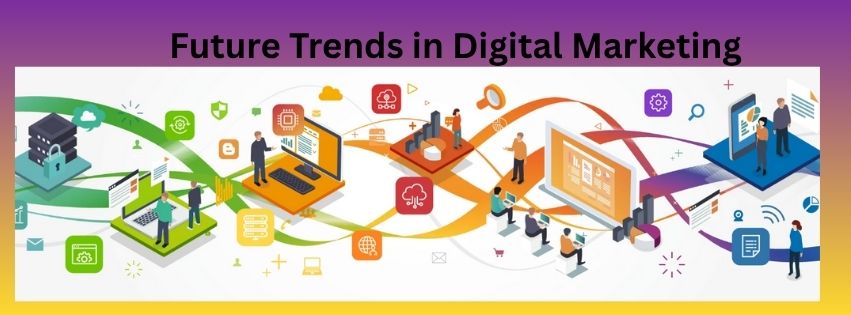
Future Trends in Digital Marketing
The future of digital marketing is exciting and fast-evolving. Artificial Intelligence (AI) and automation are already transforming how marketers analyze data, personalize messages, and manage campaigns. AI tools help businesses save time and improve accuracy in targeting the right audience.
Another major trend is voice and visual search. With smart speakers and image-based tools becoming popular, optimizing content for these searches will be key. Emerging technologies like the metaverse, augmented reality (AR), and virtual reality (VR) are also opening new doors for immersive brand experiences.
In addition, more consumers now prefer brands that care about the planet. Sustainability and ethical marketing are becoming essential for businesses that want to build long-term trust and loyalty.
Conclusion
In summary, digital marketing is a powerful way for businesses to grow, connect, and compete in today’s online-driven world. It helps brands reach global audiences, measure success, and personalize every interaction. However, to stay ahead, marketers must stay adaptable and continue learning as technology and trends evolve.
As the digital landscape expands, embracing new tools and ethical practices will shape the future of brand growth. Simply put, digital marketing isn’t just a trend—it’s the future of business success.