
On-Page SEO : The Complete Guide to Higher Rankings
You’ve published a blog post. You’re proud of it. You hit “publish”… and then nothing happens.
No traffic.
No rankings.
Not even your mom can find it on Google.
If that sounds familiar, don’t worry, you’re not alone. Most beginners think great content automatically ranks. The truth? Even amazing content needs proper on-page SEO to get noticed.
Think of on-page SEO like giving your webpage a GPS signal. Without it, search engines wander around your site saying, “What is this page about?” With it, they immediately understand your topic, your keywords, and who should see your content.
The good news? On-page SEO is completely in your control. You don’t need thousands of backlinks or a massive budget to start. You just need to optimize the right elements — titles, headings, content structure, internal links, page speed, and more.
In this complete beginner-friendly guide, you’ll learn exactly what on-page SEO is, why it matters, and how to optimize your pages step-by-step so both humans and search engines love your content.
What Is On-Page SEO?
On-page SEO refers to optimizing individual web pages, so they perform better in search results and AI-driven search experiences. It involves improving content, HTML elements, site structure, and user experience signals to help search engines and users clearly understand what a page is about.
Unlike off-page strategies that rely on backlinks and external signals, page-level optimization focuses entirely on elements within your control, including content quality, title tags, internal links, loading speed, and structured data.
When implemented correctly, these improvements increase visibility, attract relevant traffic, and build long-term topical authority.
Why Page Optimization is Important?
Search engines evaluate hundreds of signals when ranking content. Many of the most influential factors exist directly on your website.
Strong page optimization helps:
- Clarify your content’s topic
- Align pages with search intent
- Improve crawlability and indexing
- Increase click-through rates
- Enhance user experience
- Support higher engagement and conversions
Without proper structure and clarity, even valuable content may struggle to rank.
Key Elements of On-Page SEO
Effective page-level optimization relies on several core components, including:
- Content that satisfies user intent
- Strategic use of relevant keywords and related terms
- Clear title tags and meta descriptions
- Well-structured headings
- Descriptive URLs
- Internal links connecting related pages
- Optimized images with proper alt text
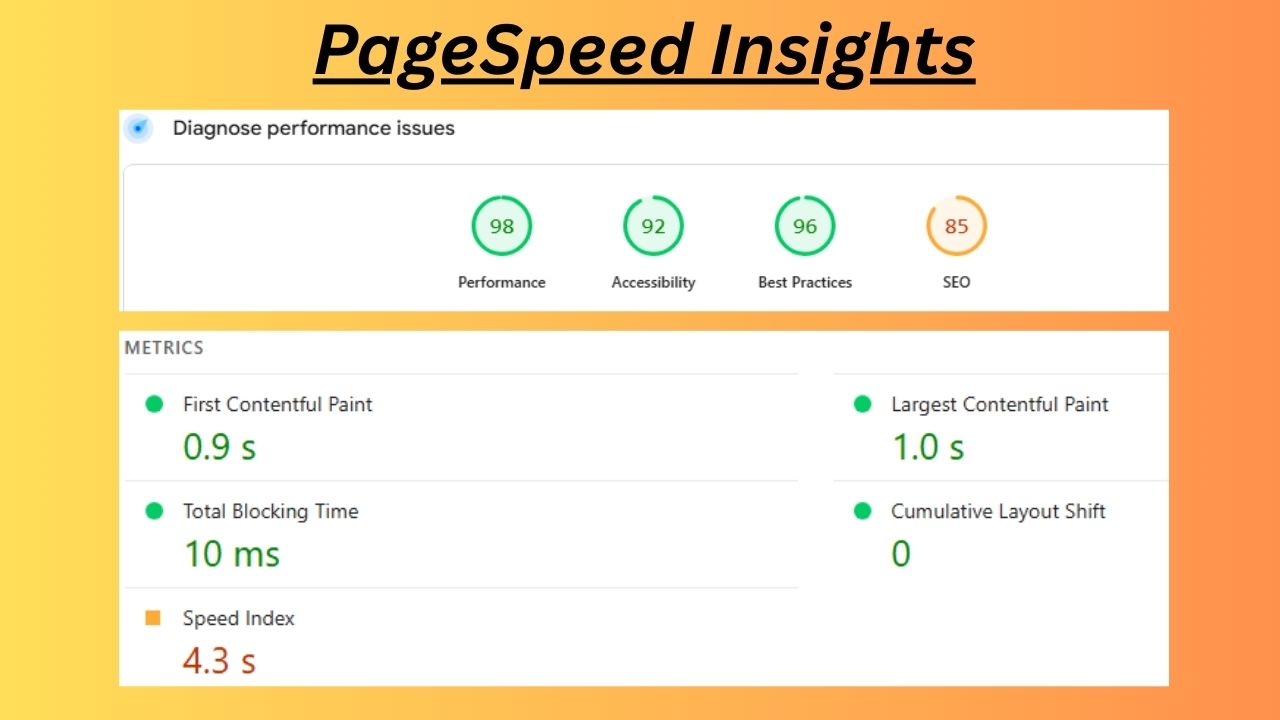
- Fast loading speed and mobile compatibility
Together, these elements improve both discoverability and user engagement.
On-Page SEO vs Off-Page SEO
Page-level optimization and off-page SEO serve different roles in a broader search strategy.
- On-page SEO focuses on improvements made within a website, such as content quality, internal linking, and technical structure.
- Off-page SEO involves external signals, including backlinks, brand mentions, and promotional efforts.
For example, refining a blog post’s structure is an internal optimization task, while earning links to that post from other websites is an external one. Since internal optimizations are fully controllable, they form the foundation of any SEO strategy.
What Is the Benefit of On-Page SEO
Proper page optimization delivers long-term value by improving traffic quality and overall website performance.
Increased Organic Traffic
When content aligns with user intent and relevant queries, it attracts visitors who are genuinely interested in the topic. This leads to steady, sustainable organic traffic.
Better Website Visibility and Rankings
Optimized pages are more likely to appear higher in search results, featured snippets, and AI-powered summaries, increasing brand exposure and click-through rates.
Improved Engagement and Conversion Rates
Clear, helpful content builds trust. When users easily find what they’re looking for, they’re more likely to explore further, subscribe, or convert.
How an On-Page SEO Checklist Is Helpful
Using a checklist ensures that essential optimization steps are consistently applied across all pages.
Ensures Proper Keyword Optimization
A checklist helps guide keyword placement in titles, headings, URLs, and content without overusing or forcing terms.
Helps Avoid Common Optimization Mistakes
Following a structured process prevents issues like missing metadata, poor formatting, slow page speed, or unoptimized images.
Improves Content Consistency and Quality
Standardized optimization leads to more consistent content quality, making the site easier to manage and scale.
How to Optimize Content on the Website
Content optimization is the core of successful page-level SEO.
On-Page SEO Made Simple: Why It Matters and How It Helps
On-page SEO is about improving the parts of a webpage that you can control. This includes your content, headings, title tags, meta descriptions, internal links, images, page speed, and mobile layout. The main goal is to make your page clear, helpful, and easy to understand for both users and search engines. When your content matches what people are searching for and is organized in a simple structure, it becomes easier to find and easier to read.
Unlike off-page SEO, which depends on backlinks and outside promotion, on-page SEO is fully in your hands. It builds the base of your entire SEO strategy. When pages are well-structured, load fast, and use keywords naturally, search engines can crawl and rank them more accurately. At the same time, users enjoy a smoother experience, which increases engagement and trust.
Using a checklist helps you stay consistent and avoid common mistakes like missing metadata or slow pages. In simple terms, on-page SEO is not about repeating keywords—it’s about creating useful, organized, and high-quality content that performs well over time.
Conclusion
Strong page optimization is about clarity, usefulness, and consistency, not repeating the same keyword. When content is well-structured, user-focused, and technically sound, search visibility improves naturally over time.